Pre-Ordering Hostas: How It Works, When We Ship and What to Expect
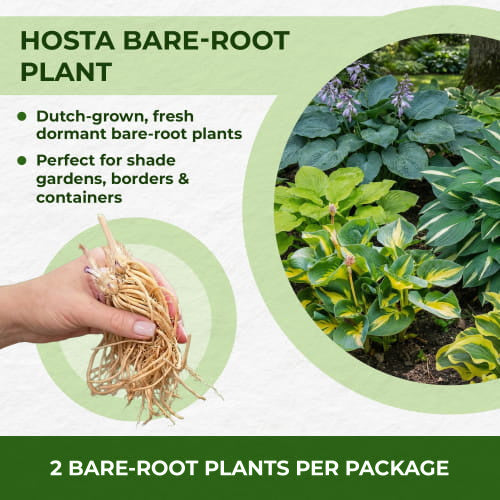
Order and pay now, and your bare-root hostas ship from 1 March. Here is how pre-ordering works and what to expect when your plants arrive.
3 min read

Practical guides to planting, growing and choosing hostas, from our team in the Dutch bulb region.
Order and pay now, and your bare-root hostas ship from 1 March. Here is how pre-ordering works and what to expect when your plants arrive.
3 min read
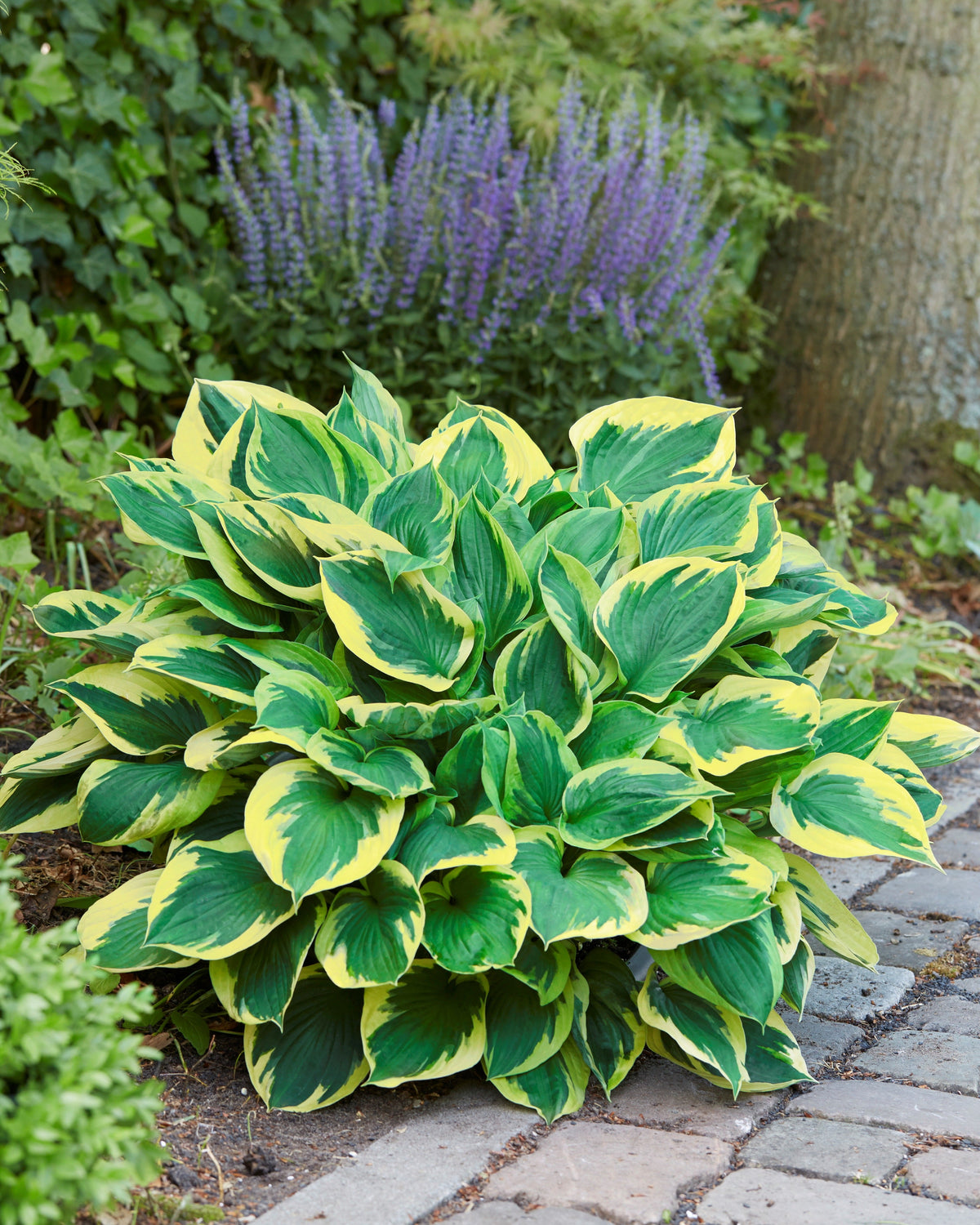
Bare-root or potted hostas? An honest comparison of price, choice, timing and how well each grows, so you can pick the right one for your garden.
4 min read
Varieties
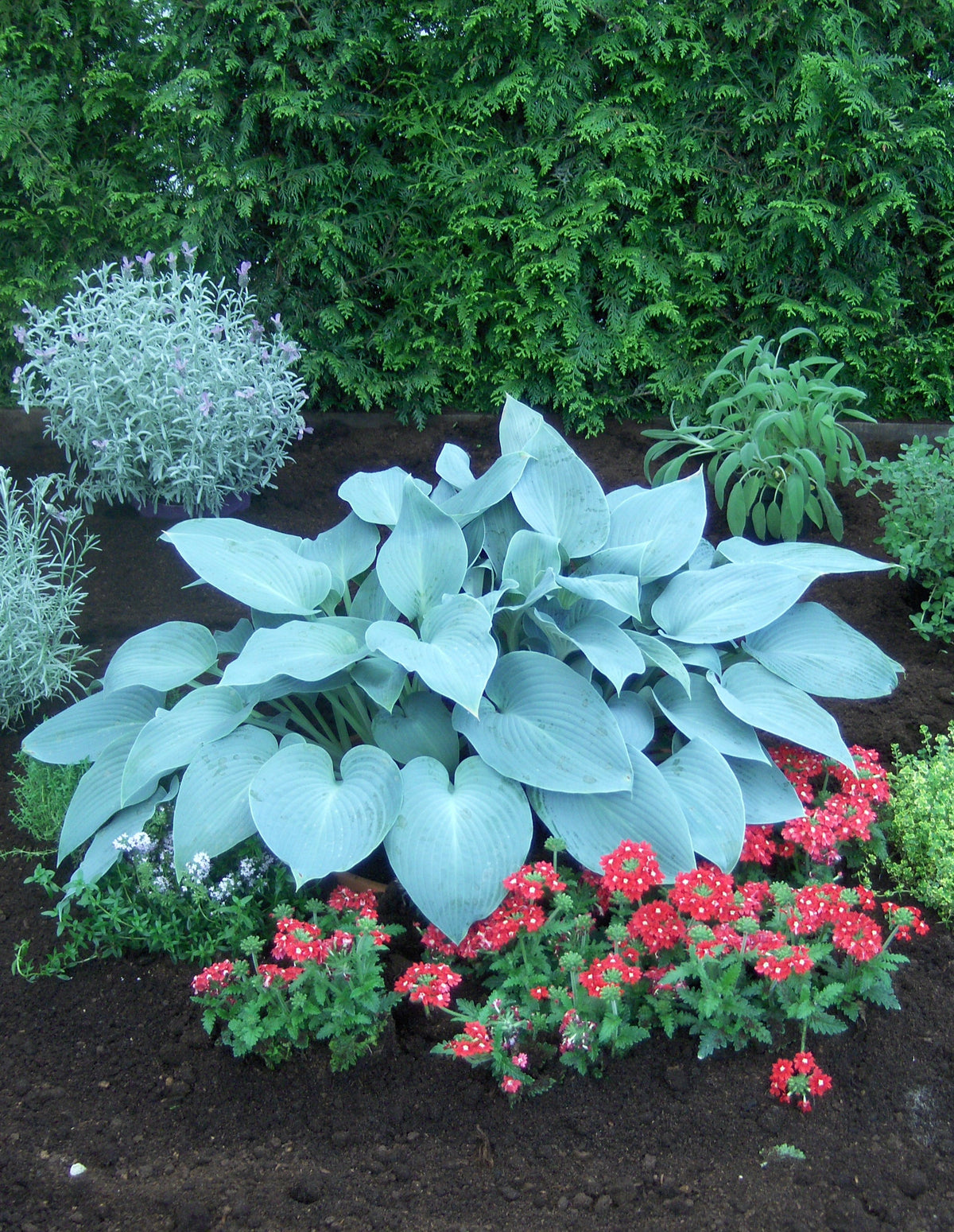
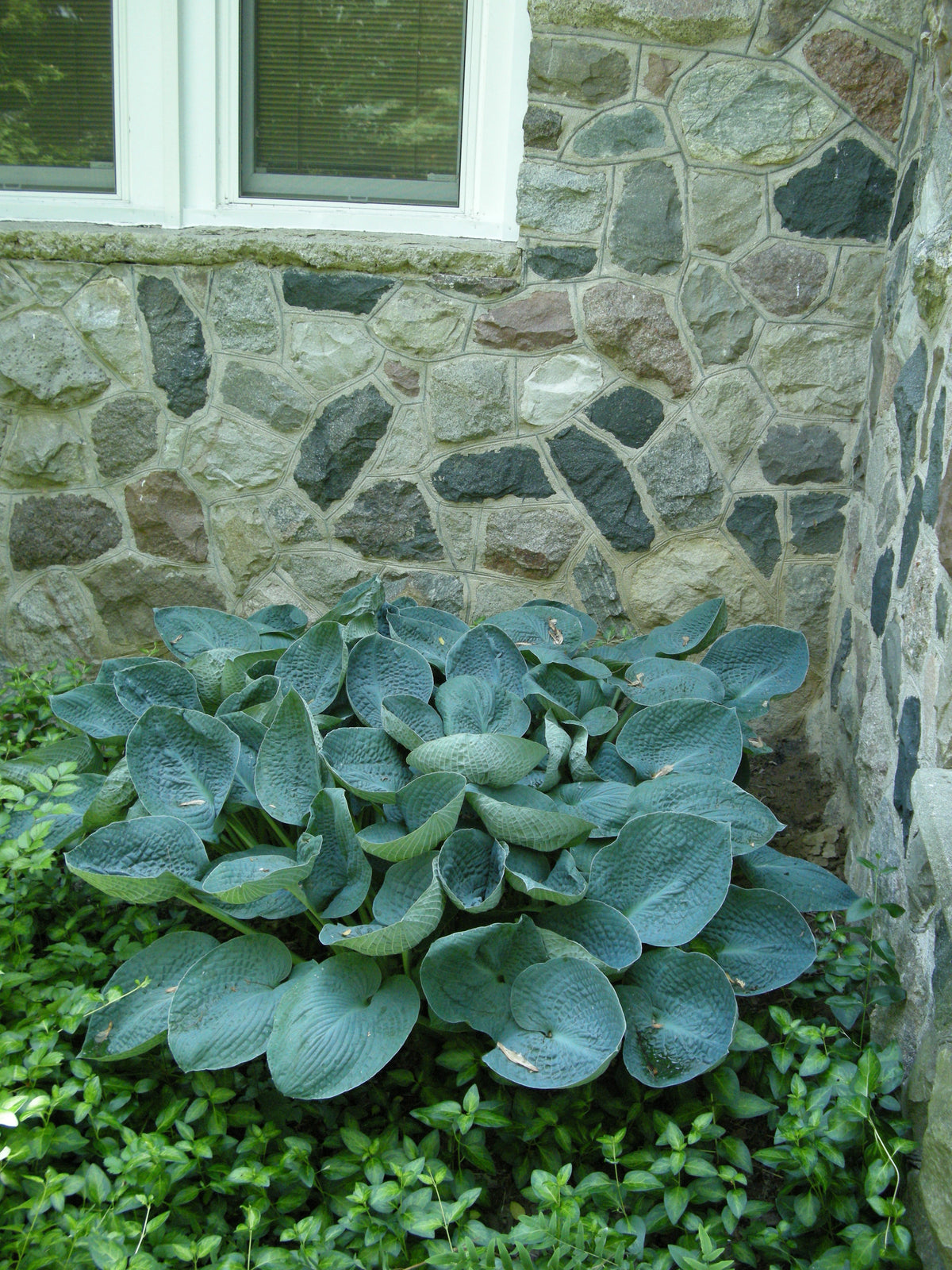
The best blue hostas range from the miniature Blue Mouse Ears to giants such as Big Daddy and Blue Angel. Their blue comes from a waxy coating that is thickest in spring and wears off in strong sun, heat and heavy rain, so plant them in shade or morning sun and water gently at the base. Varieties with a thick wax coat keep their colour longest.
4 min read
Problems & pests
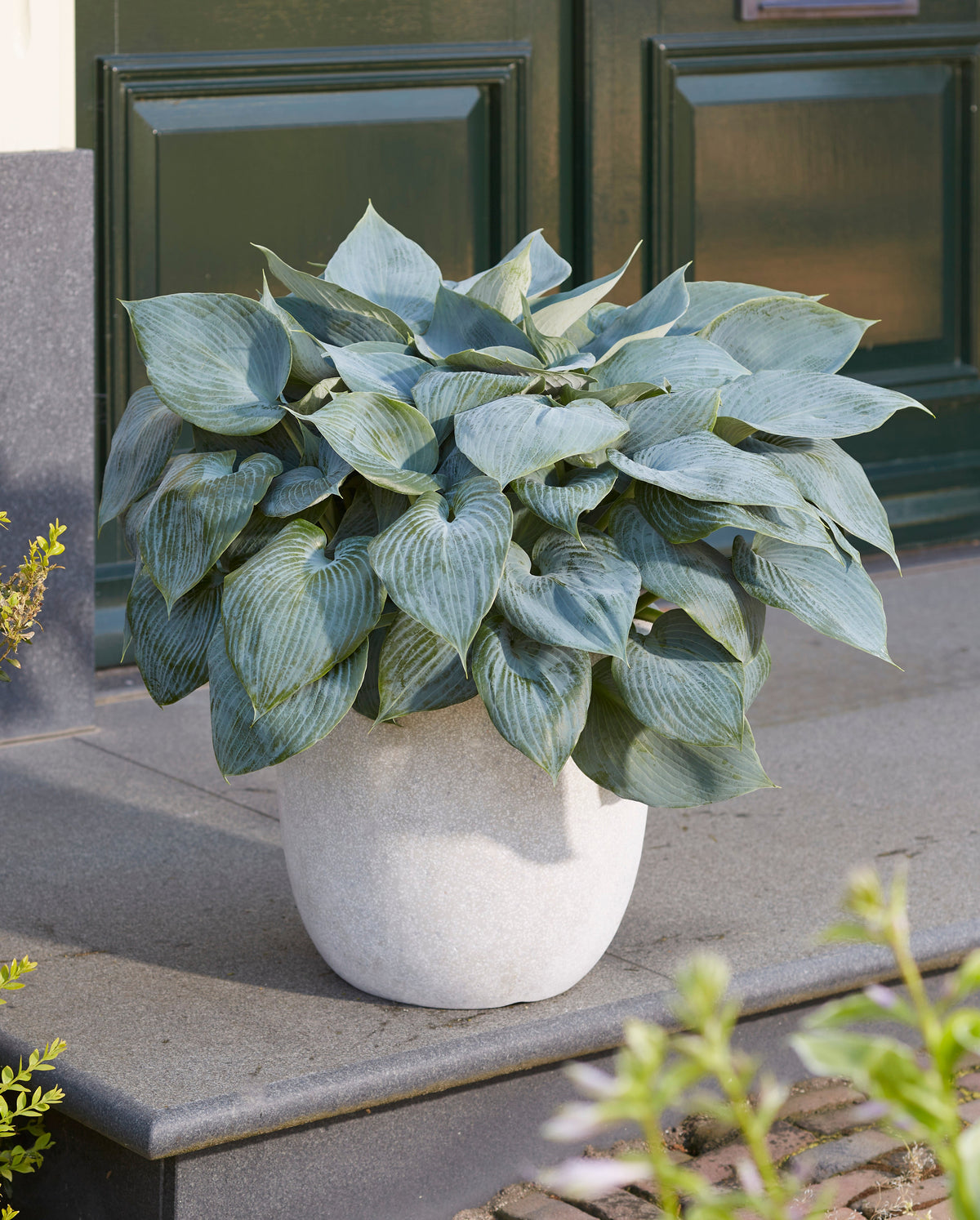
Crisp brown edges on hosta leaves are usually scorch: the leaf loses water faster than the roots can supply it, because of dry soil, hot afternoon sun, wind or competing roots. Check the soil moisture and the light first. If the brown streaks stop at the veins, or the stems collapse at the base, look for foliar nematodes or crown rot instead.
4 min read
Problems & pests
Hostas are not deer-proof: Rutgers University rates them in its highest damage category, and rabbits and voles eat them too. Thick-leaved varieties may be a little less tempting, but only a physical barrier reliably works: a fence, a cage or netting dug in against tunnelling animals. Identify the animal first, because deer, rabbits, slugs and voles leave different clues.
4 min read

Planting
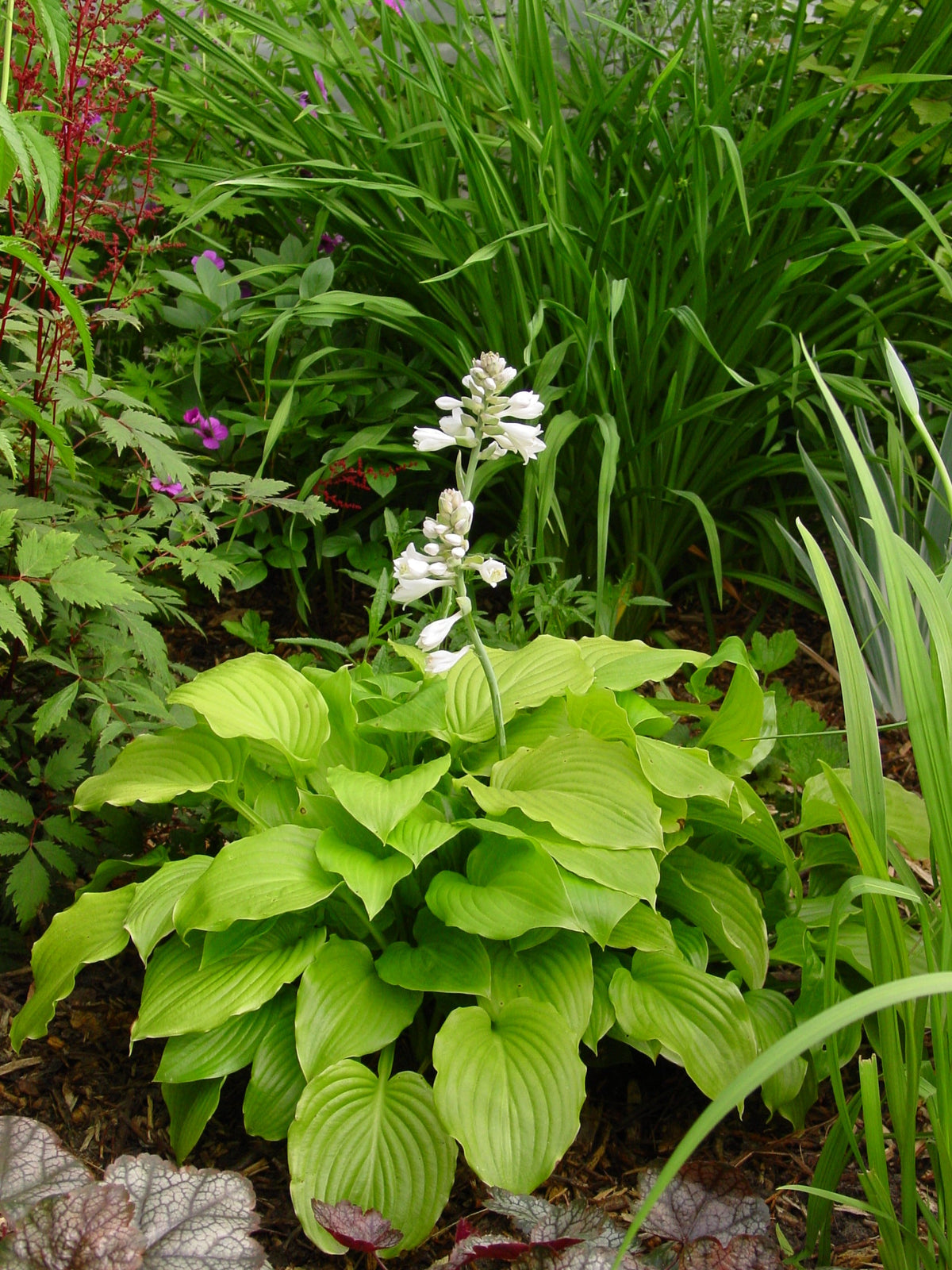
Most hostas prefer shade or part shade, but some cope with much more sun if the soil stays moist. Gold and yellow varieties colour best with plenty of light, while blue and white-centred ones fade or scorch first. Even sun-tolerant hostas need afternoon shade in hot, dry weather, and sun tolerance is never the same as drought tolerance.
4 min read
Care & seasons
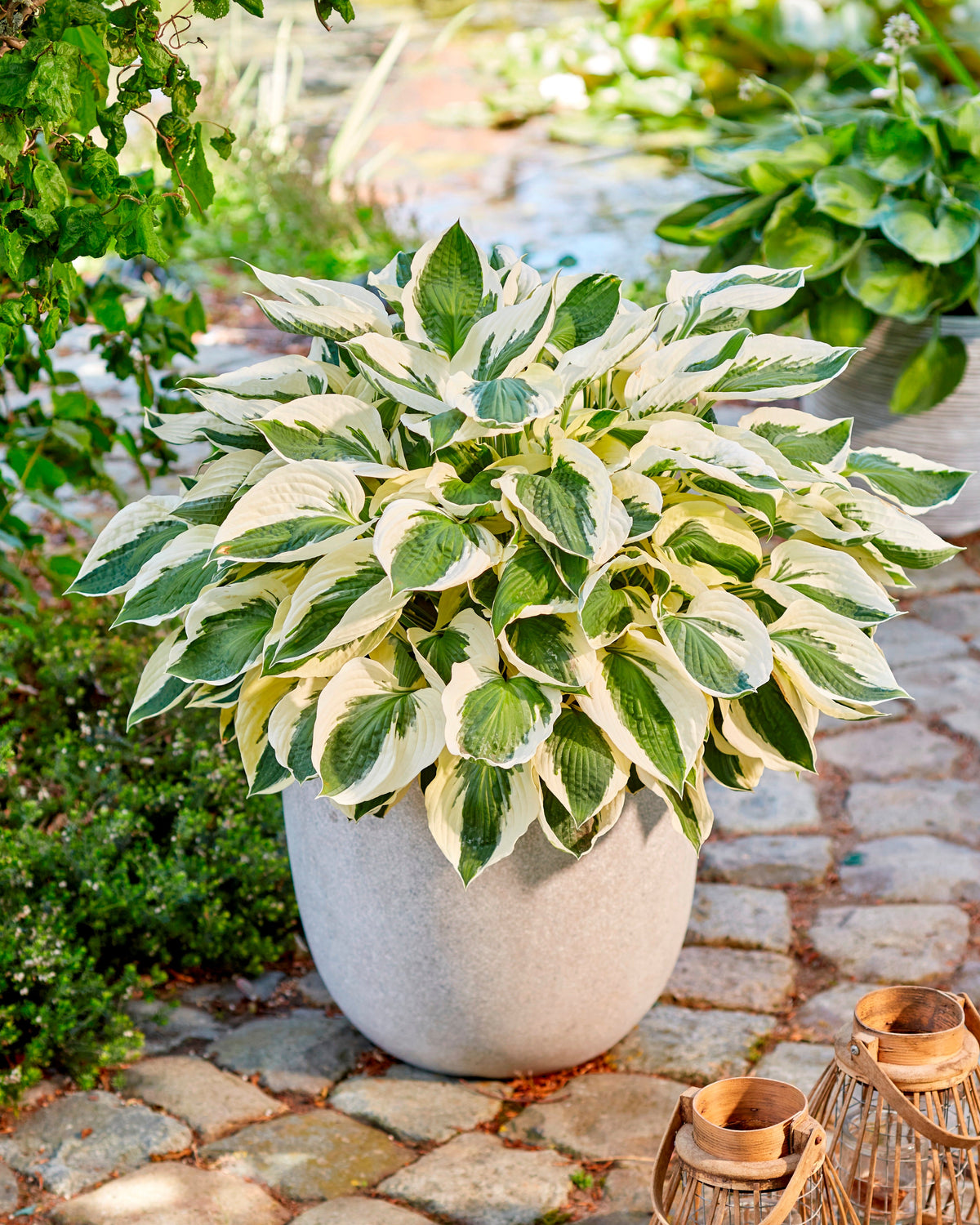
Hostas are not heavy feeders. On decent soil an annual layer of compost is often enough. If you do fertilise, use a slow-release fertiliser just as the shoots start to grow in spring, follow the pack rather than adding extra, and stop by midsummer so the leaves harden before autumn. Too much nitrogen can fade the pattern on variegated varieties.
4 min read
Care & seasons
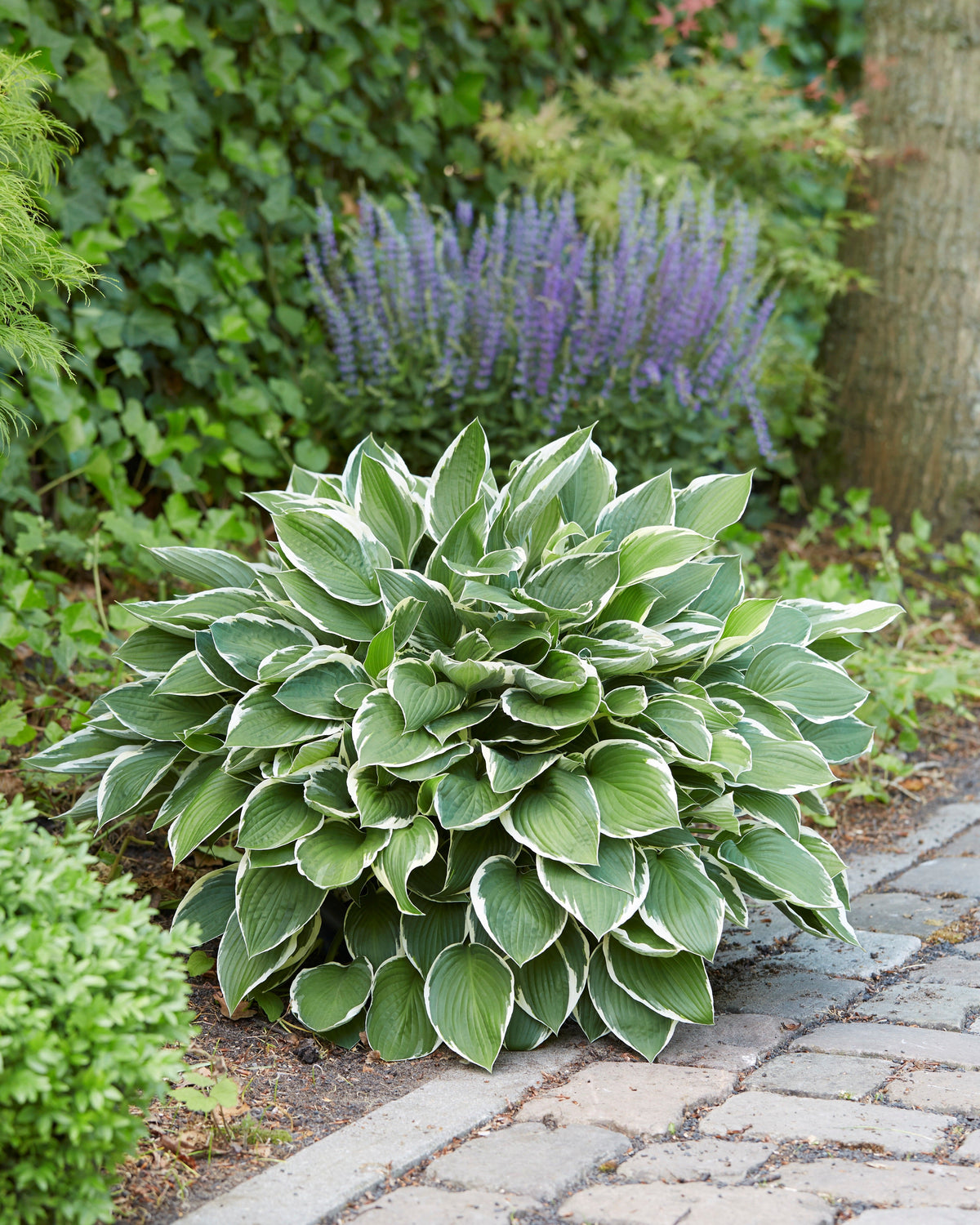
Hostas are hardy and need a cold winter rest, so there is little to do. Let the leaves die back after the first frosts, clear them away once they have collapsed, mark the spot and keep the soil well drained, because a wet winter does more harm than a cold one. Potted hostas need a sheltered spot raised off the ground. Only new shoots that have already started to grow need frost cover.
5 min read
Problems & pests
Hosta Virus X (HVX) is a virus that infects only hostas. It spreads through plant sap on tools, hands and mowers and through division of infected plants, not through insects or seed. Typical signs are ink bleed from the veins, uneven mottling, puckering and stunting. There is no cure: remove the whole plant, put it in the bin, clean your tools and do not plant a hosta in that spot for three years.
6 min read
Care & seasons
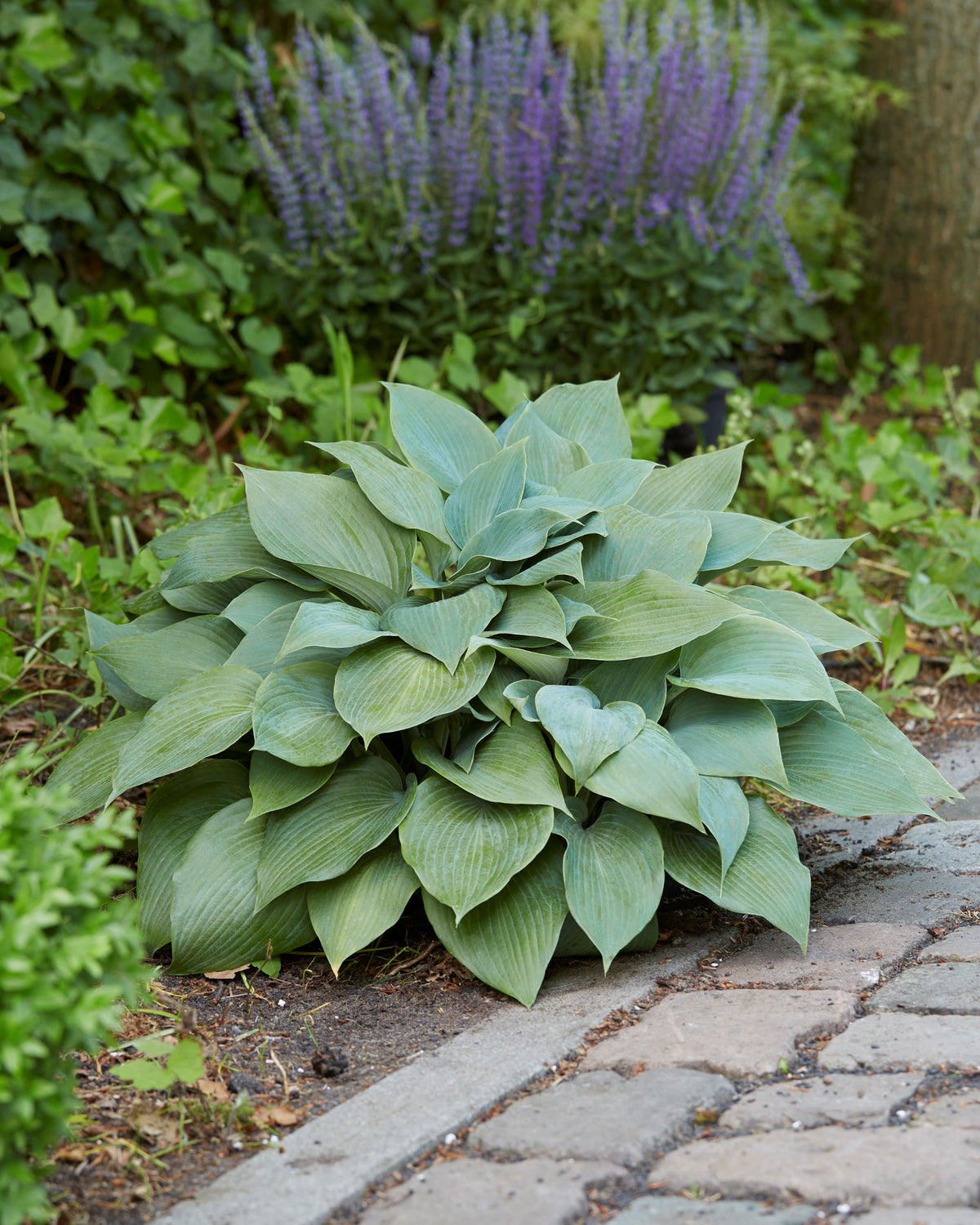
Hostas need about 4 cm of water a week in summer, roughly 40 litres per square metre including rain. Water deeply at the base of the plant, preferably in the morning, whenever the top few centimetres of soil are dry. New plants, hostas under trees and hostas in pots need checking most often; a mulch keeps the soil moist for longer.
4 min read
Planting
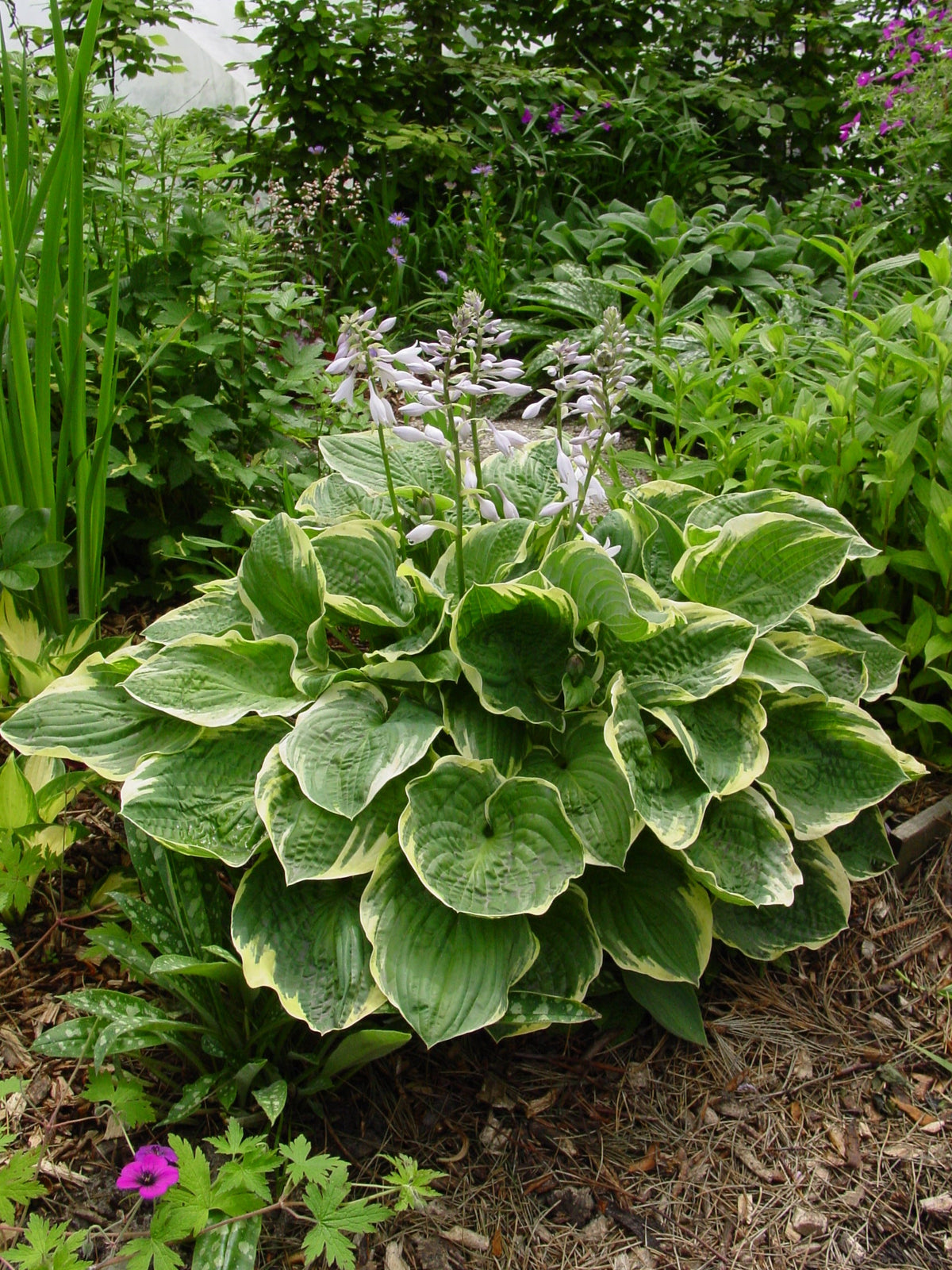
Hostas grow best in moist, well-drained soil rich in organic matter. Dig plenty of compost or well-rotted manure into the whole bed before planting: it helps clay drain and sandy soil hold water. Avoid ground that stays waterlogged, mulch every spring and feed lightly, because good soil matters more than fertiliser.
4 min read
Design & companions
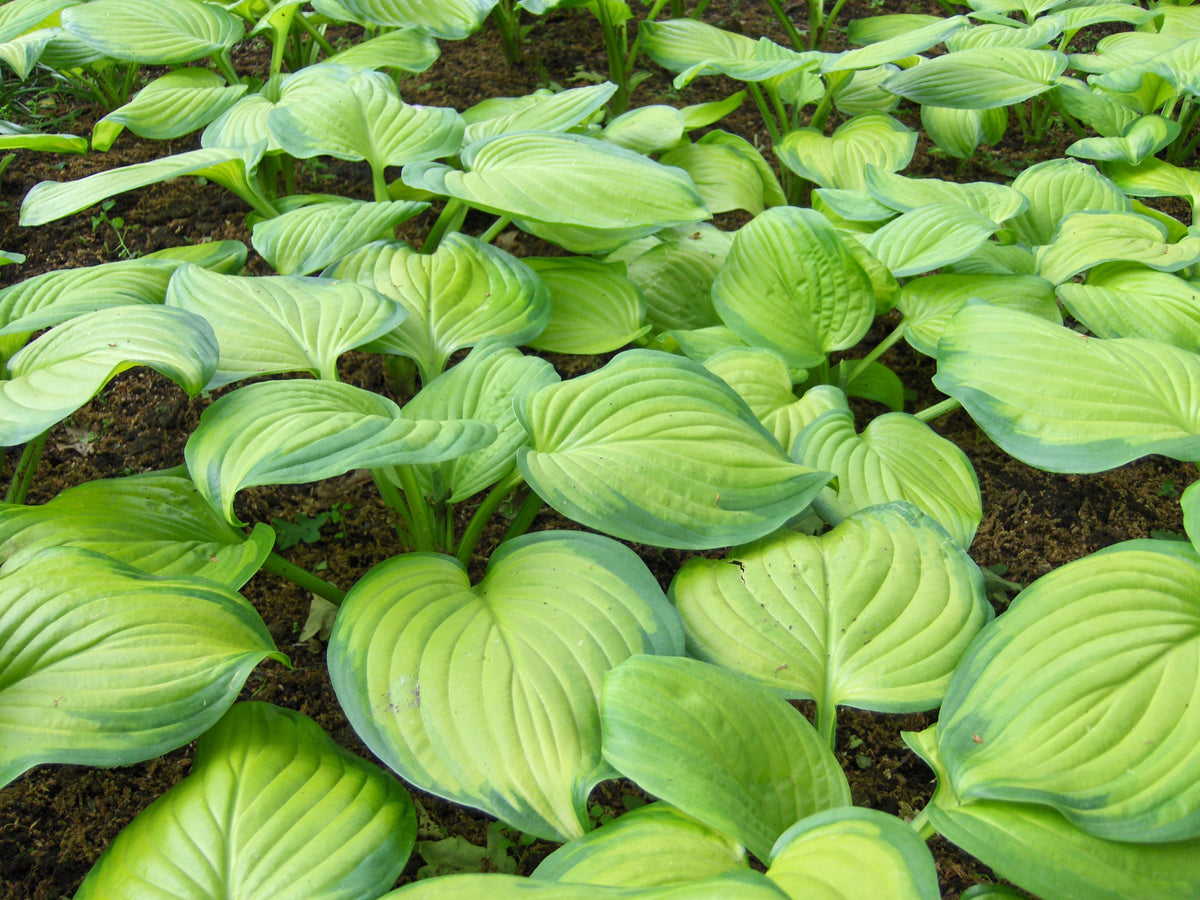
Hostas make an excellent ground cover for shade: planted closely, their leaves meet and suppress weeds from late spring until autumn. Choose medium-sized, vigorous varieties, plant them a little closer than in a border, mulch the gaps until the leaves close, and expect full cover after about three seasons.
4 min read


